
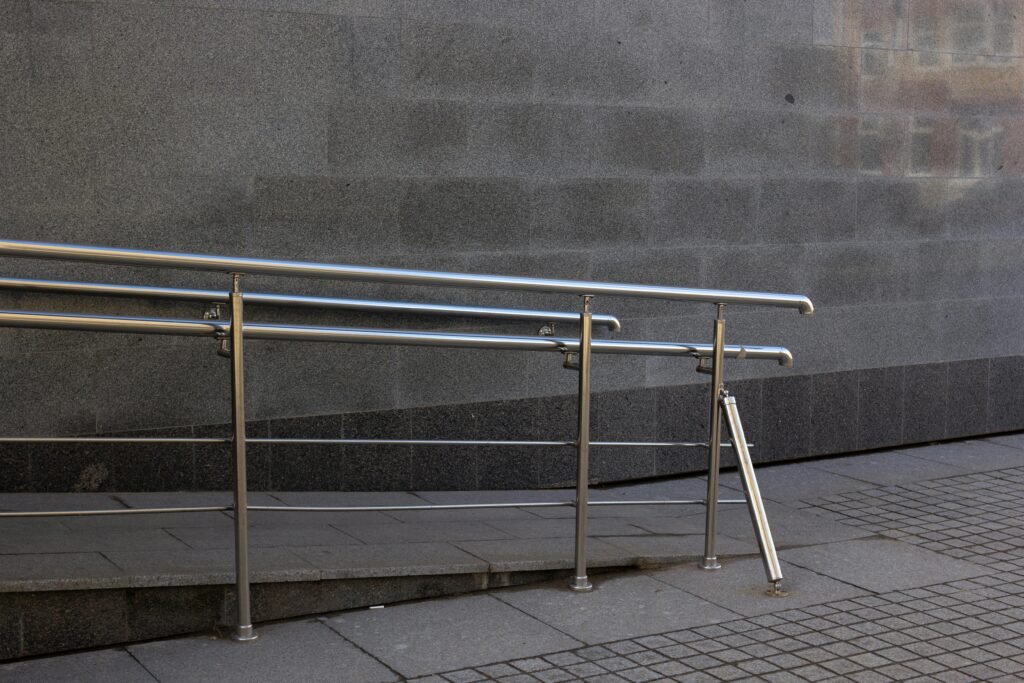
The NDIS can fund home modifications to help participants live more safely, independently, and comfortably in their homes. These modifications are designed to reduce barriers caused by disability and support everyday activities such as showering, cooking, entering or exiting the home, and moving between rooms.
Below is a general overview of how NDIS funding for home modifications works.
What Are Home Modifications Under the NDIS?
Home modifications are changes to a participant’s home environment that address functional limitations related to disability. They can range from simple adjustments to more complex building works.
The goal is to ensure the home:
- Is safe and accessible
- Supports independence
- Reduces risk of injury
- Allows reasonable use of the space
What Types of Home Modifications Can the NDIS Fund?
NDIS home modifications are generally categorised as minor or complex.
Minor Home Modifications
These are usually low-cost and non-structural, such as:
- Grab rails
- Hand-held showers
- Lever-style taps or door handles
- Small ramps or threshold changes
These may be approved more quickly and often don’t require detailed building plans.
Complex Home Modifications
These involve structural or higher-cost changes, such as:
- Bathroom or kitchen rebuilds
- Widening doorways
- Fixed ramps
- Ceiling hoists
- Significant changes to layouts or access
Complex modifications require more detailed assessment, reporting, and approvals.
The Role of an Occupational Therapist (OT)
An Occupational Therapist (OT) plays a central role in NDIS-funded home modifications.
The OT will:
- Conduct a home modification assessment
- Assess how the participant uses their home
- Identify barriers and risks
- Recommend specific modifications linked to functional needs
For complex modifications, the OT must provide a formal home modification report, which the NDIS uses to decide whether funding is reasonable and necessary.
How Is Home Modification Funding Approved?
NDIS funding for home modifications is not automatic. The NDIS considers whether the modification is:
- Reasonable and necessary
- Directly related to the participant’s disability
- The most appropriate and cost-effective solution
- Likely to improve safety, independence, or functional capacity
Approval may occur:
- During the initial NDIS plan
- At a plan review
- Through a specific request supported by OT reports and quotes
Who Can Carry Out NDIS-Funded Home Modifications?
Who you can use depends on how your NDIS plan is managed:
- Agency-managed plans require NDIS-registered providers
- Plan-managed or self-managed plans can use non-registered builders and tradies, as long as they are licensed, insured, and able to meet NDIS requirements
Builders and tradies must follow the OT’s recommendations and provide compliant quotes and invoices.
What the NDIS Does Not Usually Fund
The NDIS generally does not fund:
- General home maintenance
- Renovations unrelated to disability
- Cosmetic upgrades
- Modifications that primarily increase property value
Each request is assessed individually.
Why Planning and the Right Professionals Matter
NDIS home modifications often involve:
- OTs
- Builders or tradies
- Support Coordinators
- Plan Managers
Using professionals experienced in NDIS home modifications helps reduce delays, rework, and funding issues.
Important Disclaimer
This article provides general information only.
NDIS funding decisions for home modifications depend on individual circumstances, plan management type, reports, and NDIA guidelines. This content is not advice and should not replace personalised professional or funding guidance.